 DataTig
What is DataTig?
DataTig helps when a community of people want to crowd source a data set and they use a git repository to store the data.
In these cases, DataTig can be used on the git repository to help people contribute new data or edit existing data, check data quality and transform the data into more useful forms for everyone to re-use.
Screenshots
If you have a git repository with files of data (JSON, YAML or Markdown), just add a config file ...
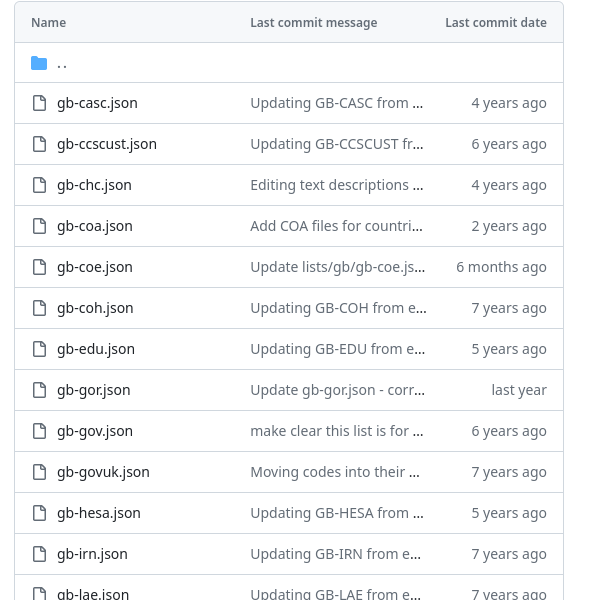
Files of data in the repository
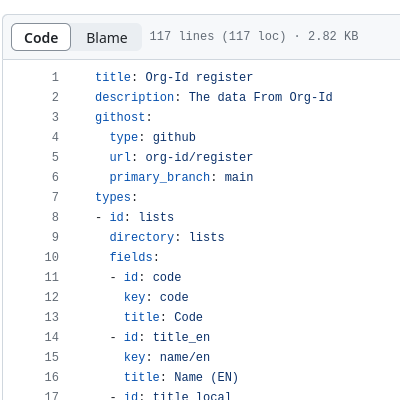
Config file
And get ...
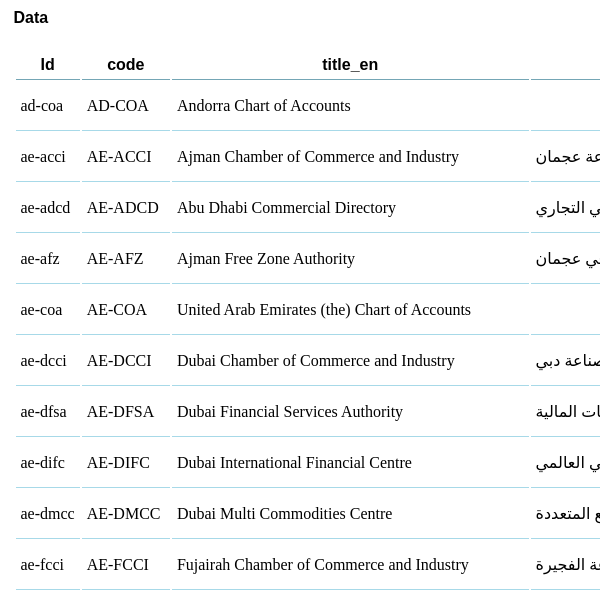
Search data
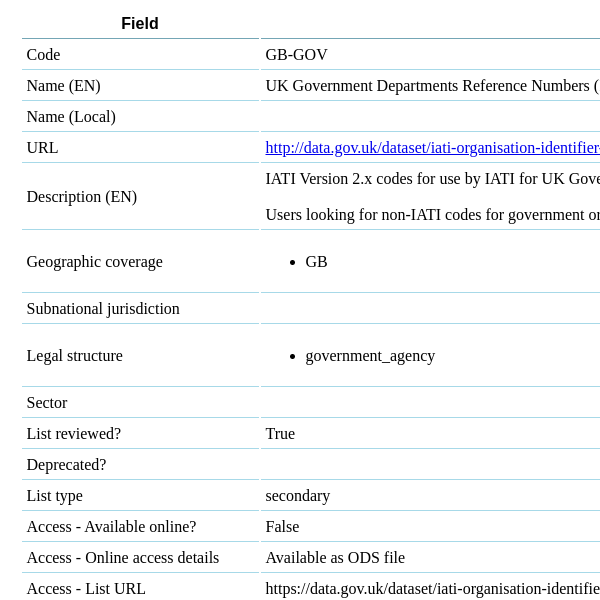
View data
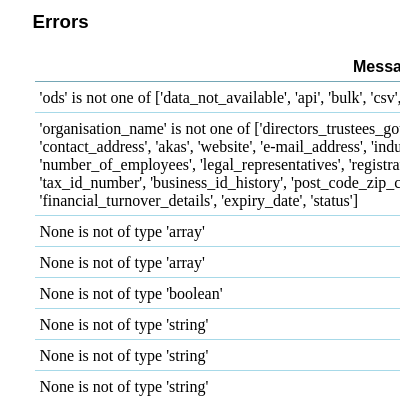
Errors in data
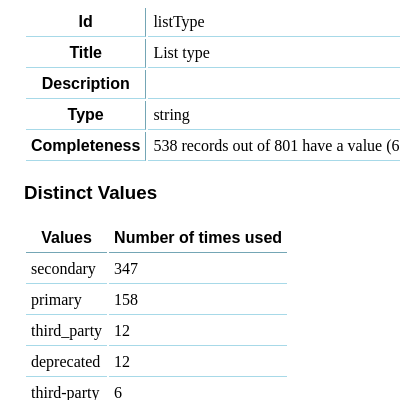
Stats about data
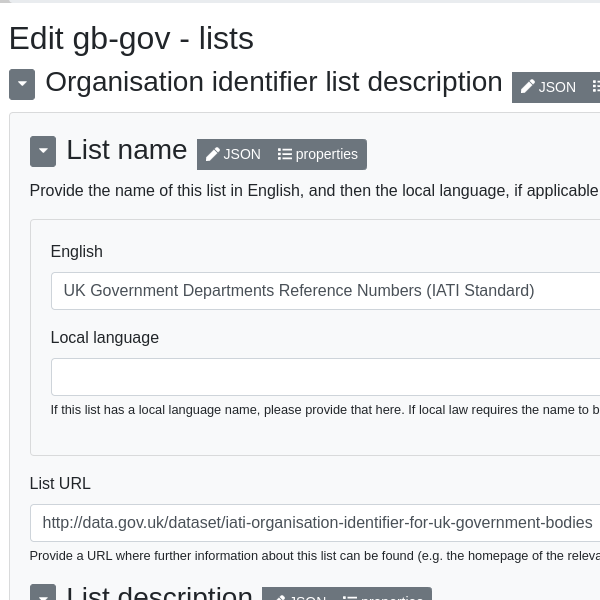
Web form to edit data
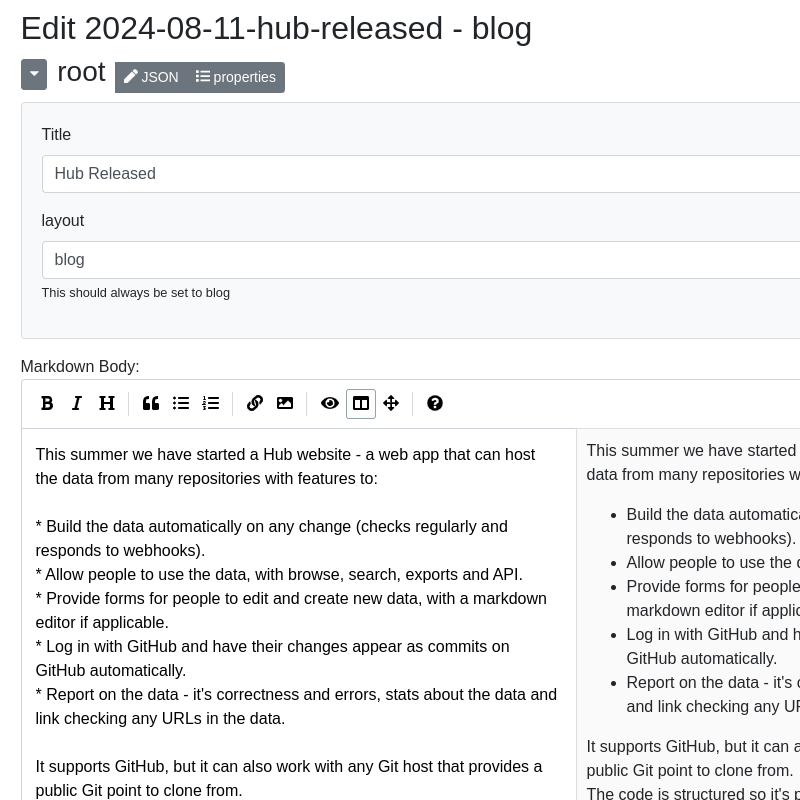
Web form to edit data with markdown blog post
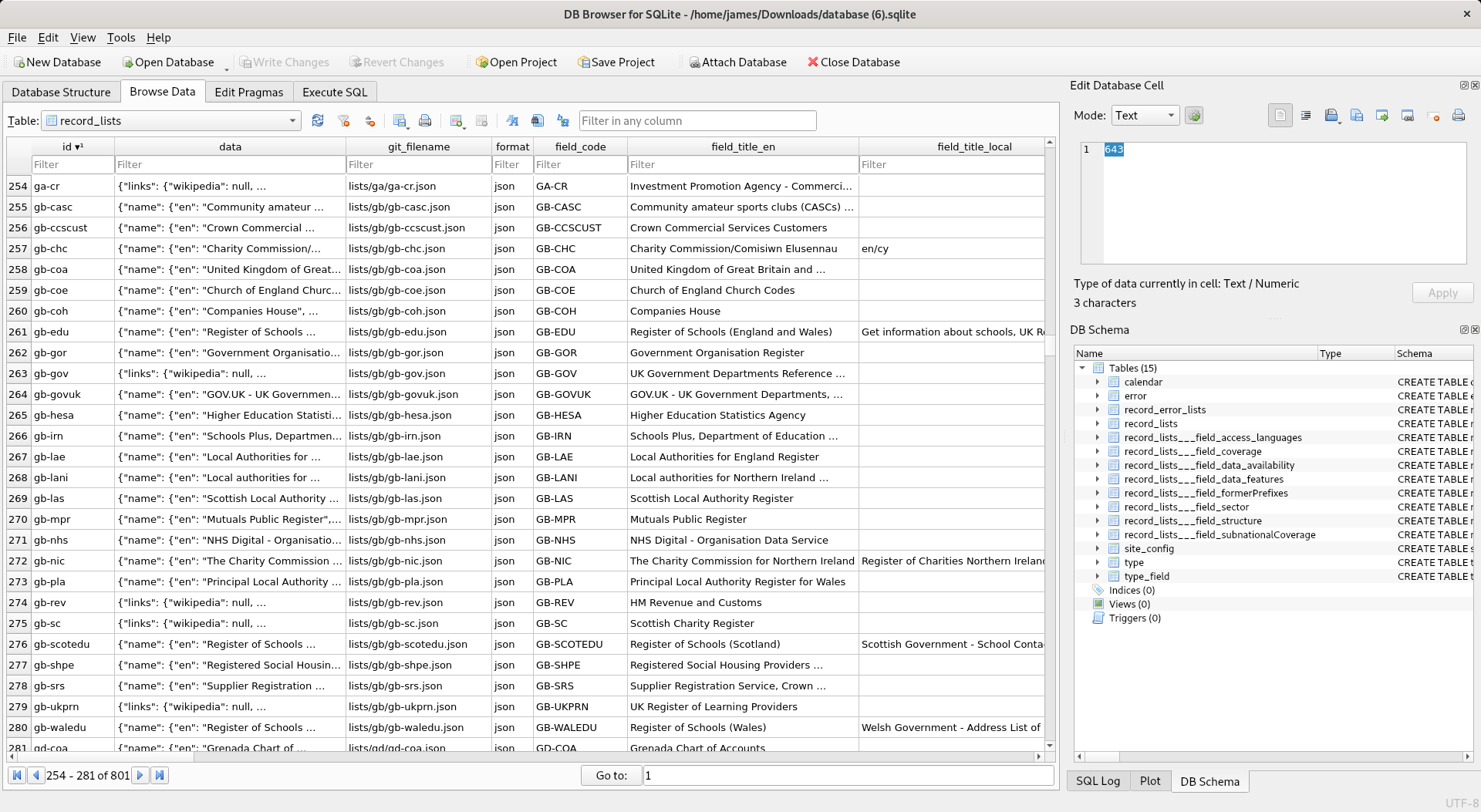
Export to SQLite
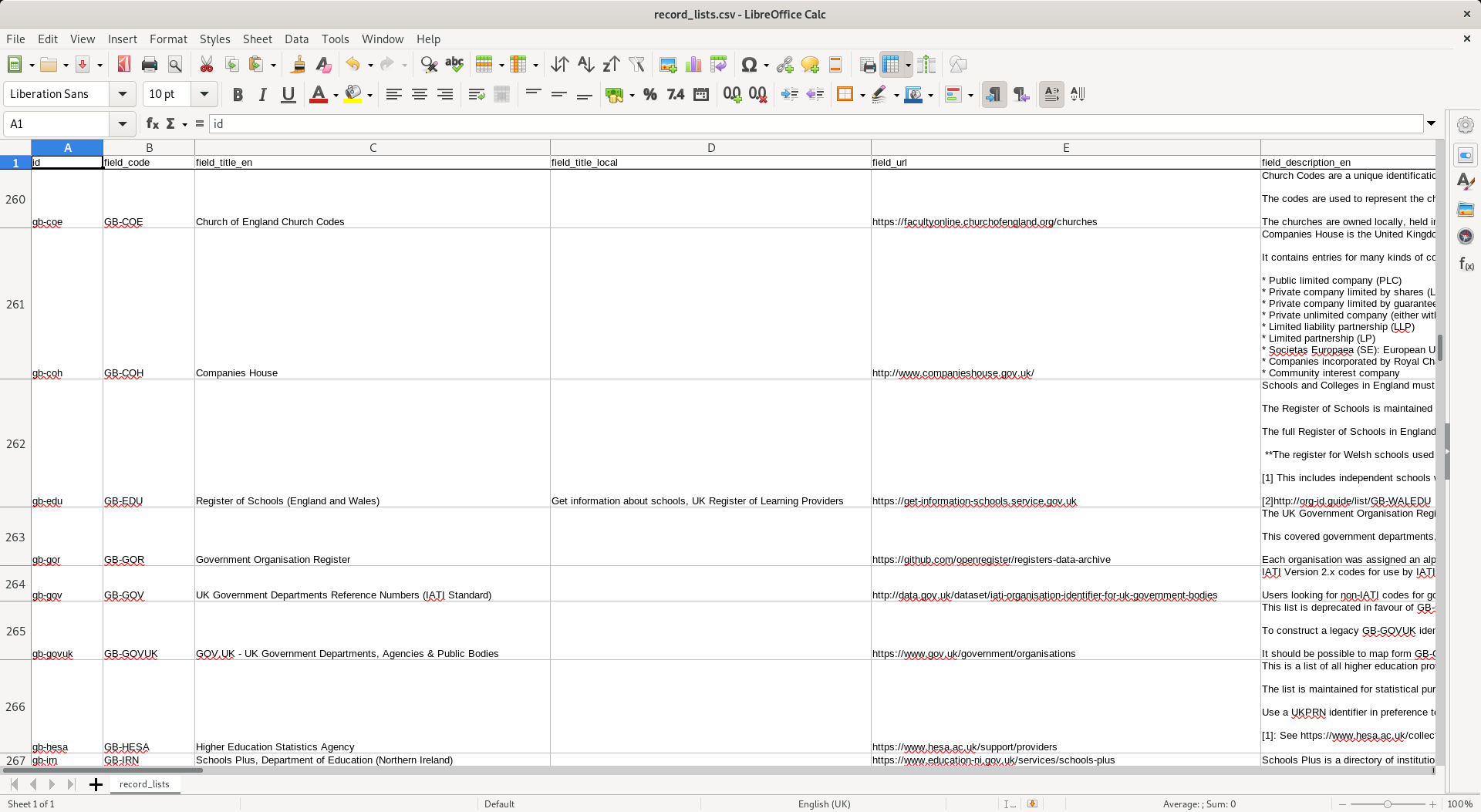
Export to spreadsheets
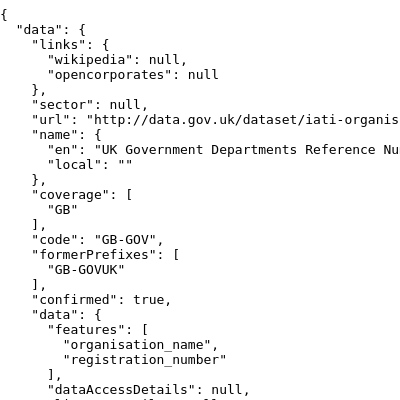
JSON API
Open Source Python Library
You can use the tools directly as an open source Python library.
Hosted at our Hub
The DataTig features and functionality for your git repository can be hosted at our hub. Your git repository can be on GitHub or any public git host.
Use with a static site builder like Jekyll
You can use a static site builder like Jekyll to provide a custom website to the public, and also use DataTig to help contributors and editors work on your data set.
Docs - use with Jekyll blog
Docs - use with Jekyll collections
Docs - use GitHub actions and pages to build Jekyll and DataTig at the same time
For example, this website is a DataTig website (with the StaticPipes static site builder)!
Blogs
Mon 01 Dec 2025: Python Library Version 0.9.0 Released
We released Version 0.9.0 of our Python Library.
Fri 16 May 2025: Python Library Version 0.8.0 Released
We released Version 0.8.0 of our Python Library.
Tue 24 Dec 2024: Talk about this project at local Python event
James was meant to give a talk at a local Python event in September. Unfortunately at the last minute the sponsor, venue and event fell through. Instead of wasting the talk we'll post it here (as we were going to do afterwards anyway).
Wed 06 Nov 2024: Python Library Version 0.7.0 Released
We released Version 0.7.0 of our Python Library.
Sun 11 Aug 2024: Hub Released
This summer we have started a Hub website - a web app that can host the data from many repositories with features to ...
Fri 12 Jul 2024: Python Library Version 0.6.0 Released
We released Version 0.6.0 of our Python Library.
Tue 03 Jan 2023: Python Library Version 0.5.0 Released
We released Version 0.5.0 of our Python Library.
Thu 05 May 2022: Python Library Version 0.4.0 Released
We released Version 0.4.0 of our Python Library.
Thu 31 Mar 2022: Python Library Version 0.3.1 Released
We released Version 0.3.1 of our Python Library.
Sat 26 Feb 2022: Python Library Version 0.3.0 Released
We released Version 0.3.0 of our Python Library.
Sat 26 Feb 2022: Work Continues
We wrote up an introduction to the the project and some notes on recent work on a Hashnode blog.
Thu 22 Jul 2021: Python Library Version 0.2.0 Released
We released Version 0.2.0 of our Python Library.
Thu 15 Apr 2021: Python Library Version 0.1.1 Released
We released Version 0.1.1 of our Python Library. This immediately replaces version 0.1.0 that was also released today, as this had a Python packaging error.
Thu 07 May 2020: How to run a useful community data project
We wrote up a list of things to think about when running a community data project.
Mon 12 Feb 2018: Prototype Launched
We launched a prototype of this project and posted about it at the Open Knowledge Foundation forum.